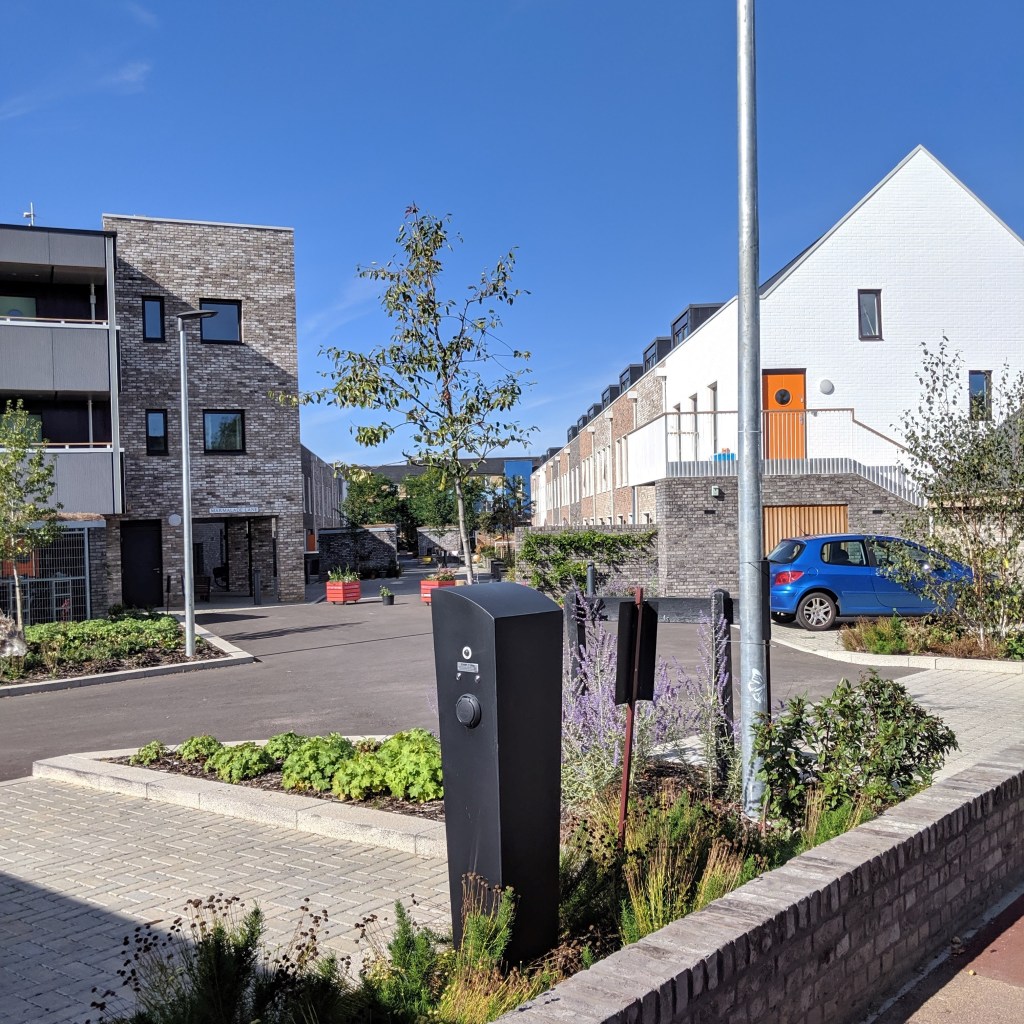
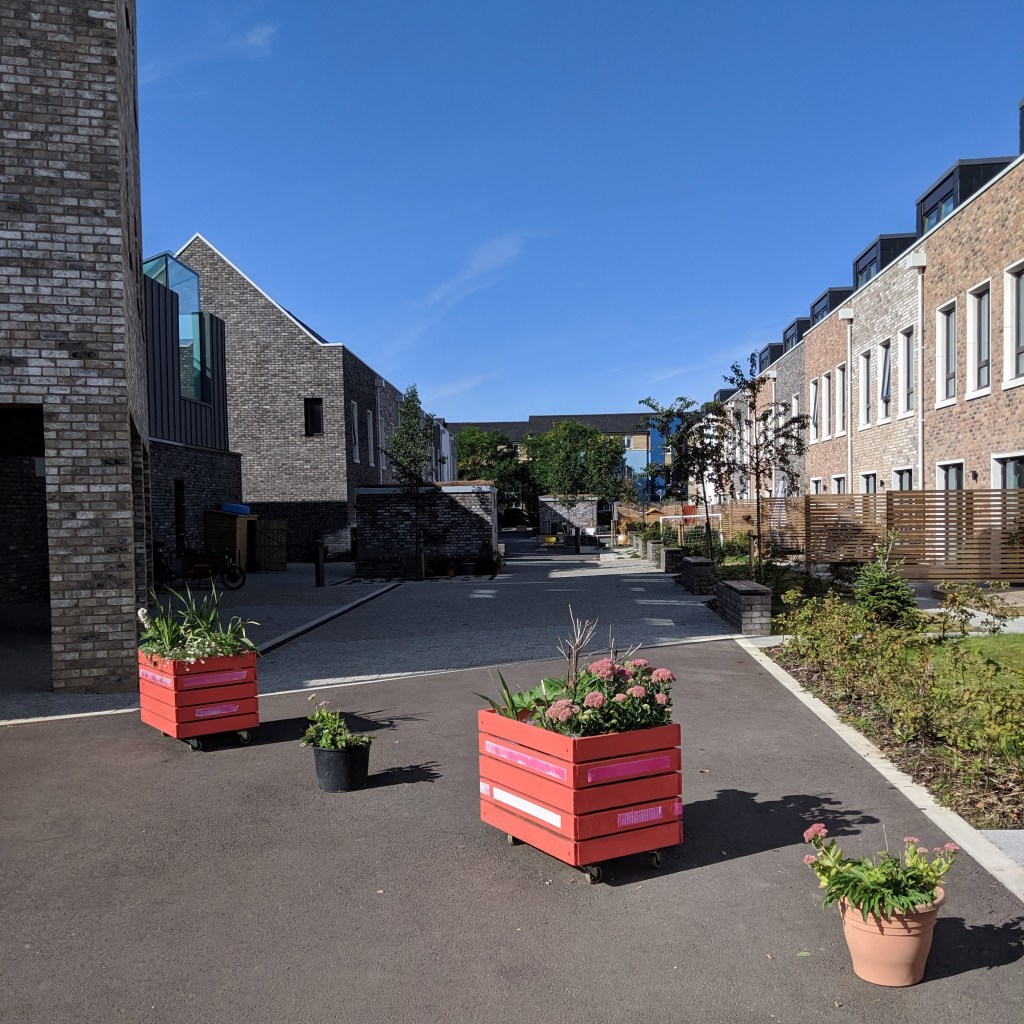
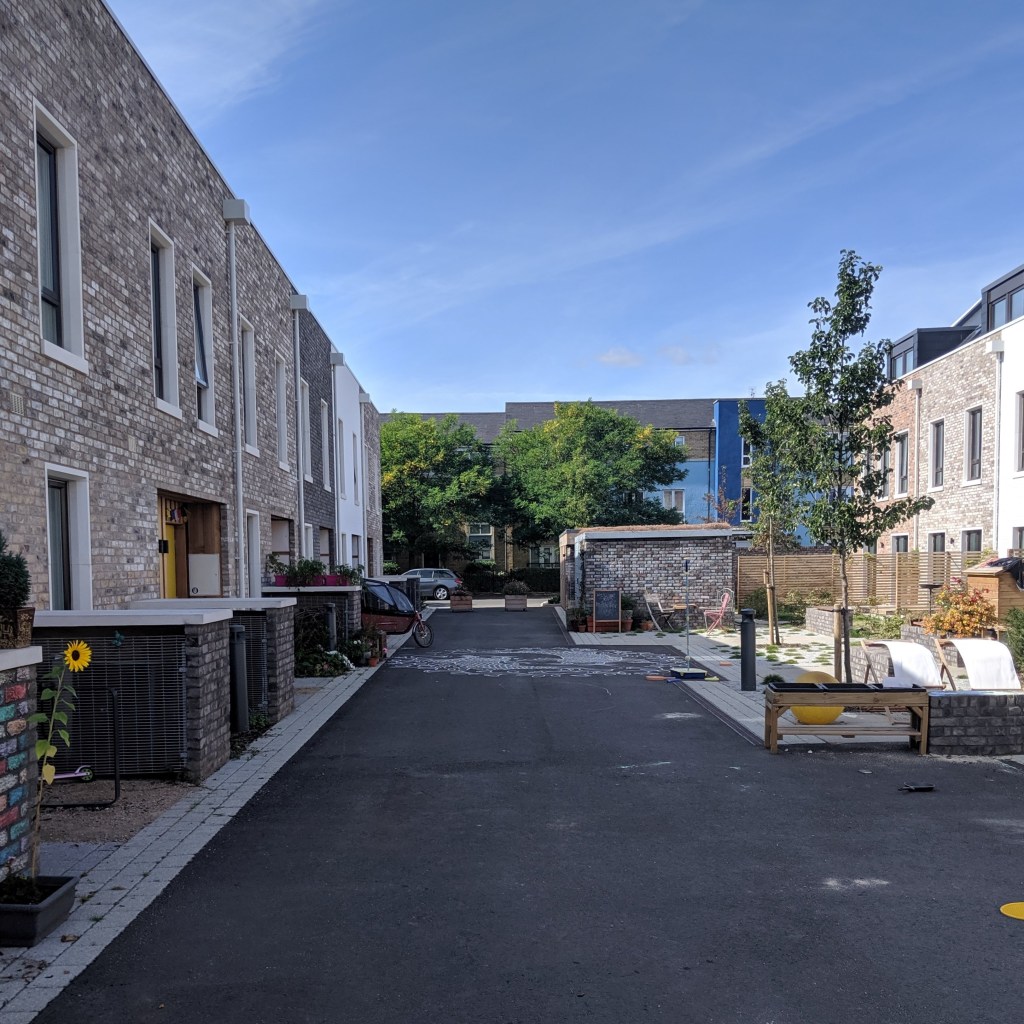
Marmalade Lane, located in Orchard Park on the northern edge of Cambridge, is the city’s first co-housing development. The residents of the 42 homes have joint ownership over the pedestrian lane, common garden, workshop, gym and common house which is home to a kitchen, dining space, lounge area, quiet rooms, kid’s room and laundry. Designed by Mole Architects, this scheme uses its physical fabric and the provision of communal space to nurture social interactions. Sunday 15th September.
“It’s a very straightforward scheme, but with an attitude to private and public space that’s different to most places in Britain. The whole site is essentially a collective playground for kids.”
Meredith Bowles
https://www.theguardian.com/artanddesign/2019/may/08/marmalade-lane-co-housing-cambridge
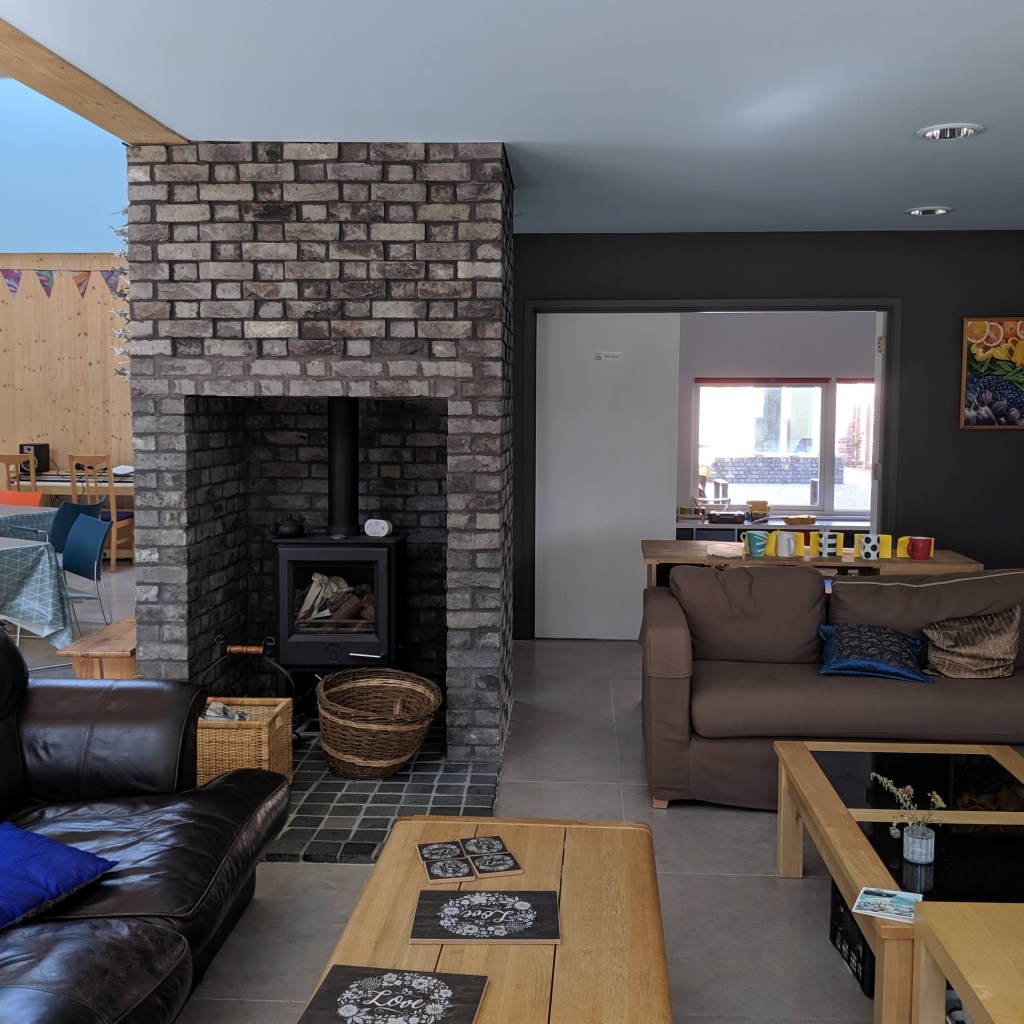
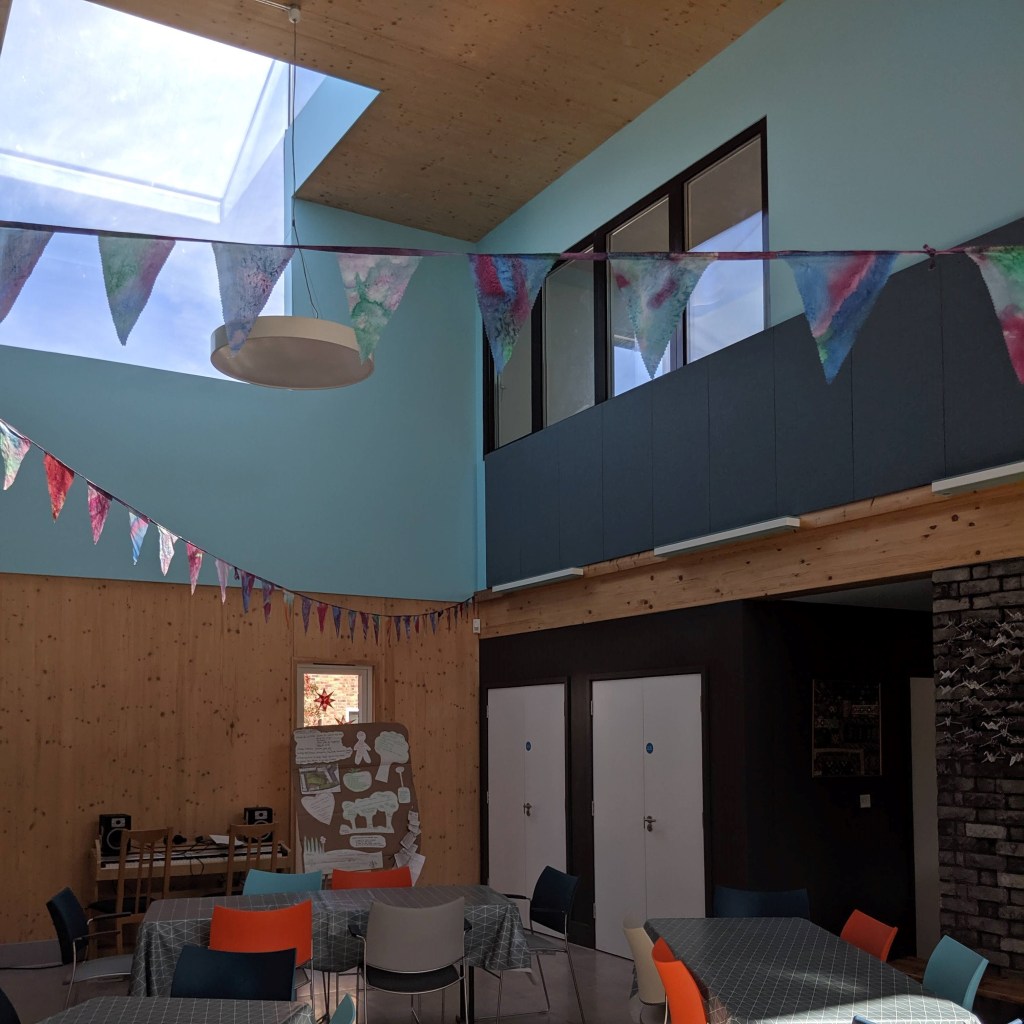

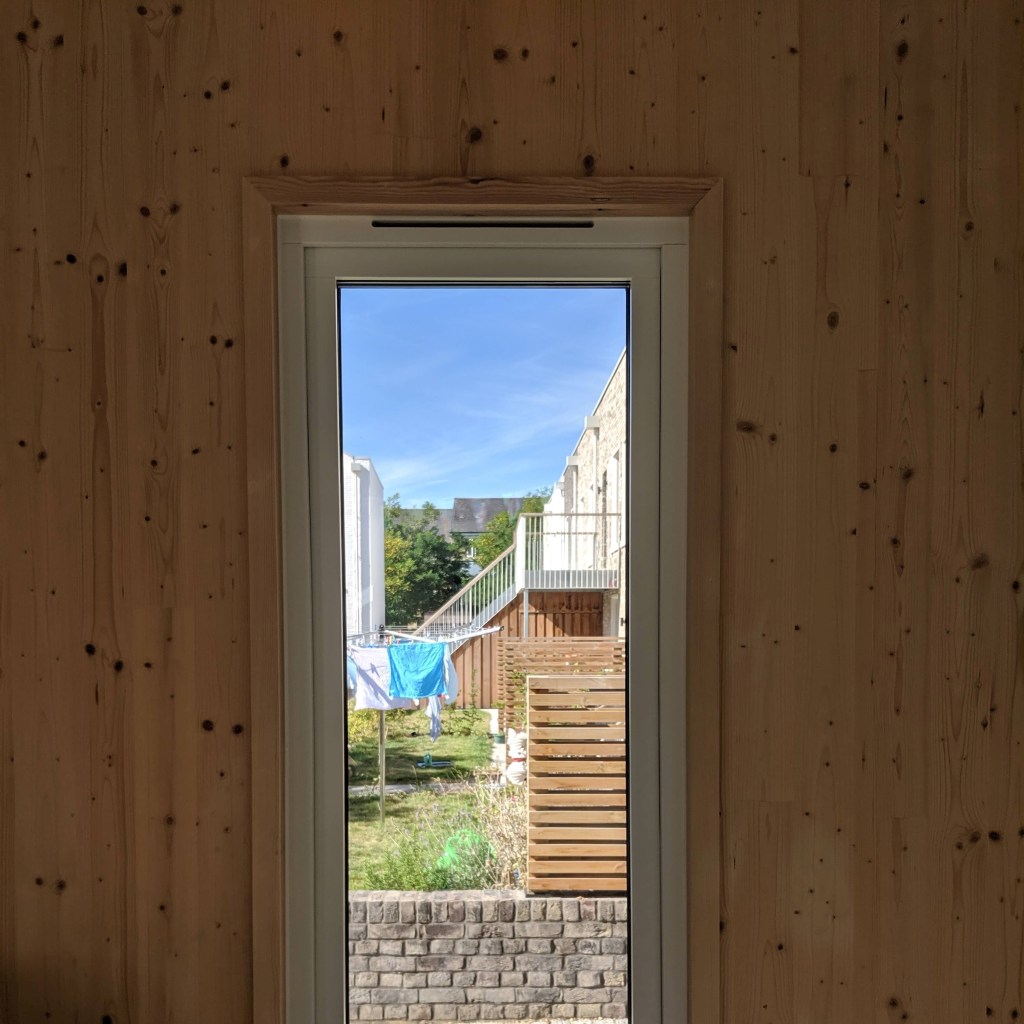
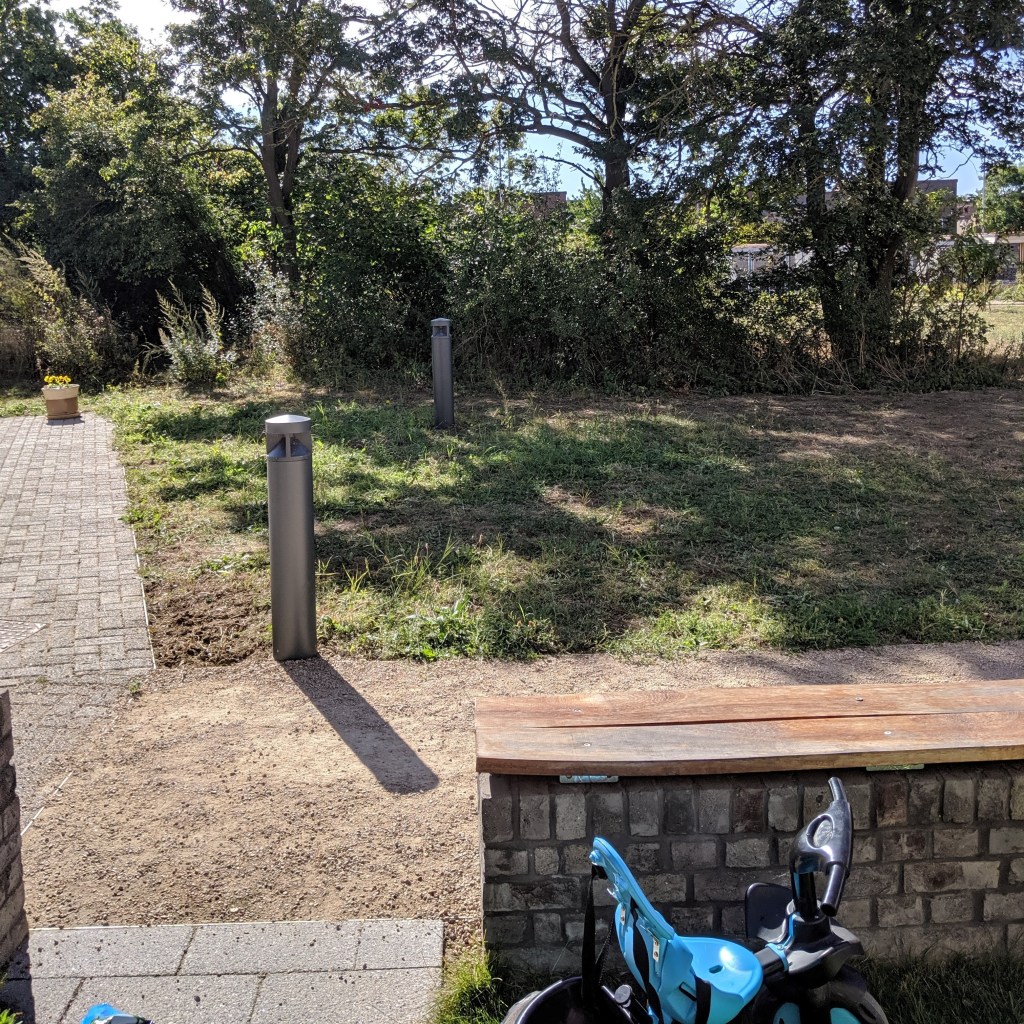

I met with one of resident’s who has been involved with the group for many years. He spoke about the benefits of such a development as well as the barriers they faced. These obstacles are very common for those pursuing co-housing:
- Land: finding and agreeing on a site
- Funds: purchasing land, paying consultants and construction costs
- Planning permission: unconventional choices and priorities by prospective residents have to be negotiated
The origins of the group go back to 2000 but it took the financial crash in 2008 for a site to become available. The original private developer behind the rest of the Orchard Park development had backed out so Cambridge City Council were looking for a new developer. Two consultants encouraged them to use the funds for marketing the site to seed a co-housing group instead. Originally hoping to be a self-built project, it became clear that the co-housing group could not cover the upfront costs of purchasing the land without debilitating subsequent construction.
With money also secured from central government, the group were able to develop a detailed client brief which the city council used to tender for a development partner. The co-housing group would go on to have regular meetings and input, based on consensus decision-making. This indicates the vital role local authorities can play as an enablers. Unfortunately local authorities can also act as barrier to co-housing as, despite the land originally being owned by Cambridge City Council, the more conservative South Cambridgeshire District Council had planning jurisdiction over the site. The location of car-parking and the configuration of front-to-back facing homes were two key issues requiring lengthy negotiations.
Completed at the end of 2018, this intentional community is already feeling the benefits. Casual and formal social interactions are part of daily life, from people greeting each other in their gardens to regular common meals. This is not a gated development yet natural surveillance ensures a feeling of safety with kids playing across all the outdoor areas and strangers being easily identifiable as all the neighbours know each other. Help and company is always at hand whilst private gardens are reduced to increase communal space for everyone to enjoy. From a sustainability standpoint, the client brief set high standards whilst resources are easily pooled and shared – from DIY tools to an electric car.
 charlottestuart.design.blog