
One aim of my trip was to learn more about, and experience, the city of Copenhagen which is increasingly cited as the most liveable, healthy and happy city in the world. I hoped to contextualise numerous policies by the City of Copenhagen, spanning health, green spaces and architecture as well as the writings of Jan Gehl, by directly experiencing and documenting the varied public realm of the city. Wednesday 4th September – Sunday 8th September.
“Cities must urge urban planners and architects to reinforce pedestrianism as an integrated city policy to develop lively, safe, sustainable and healthy cities. It is equally urgent to strengthen the social function of city space as a meeting place that contributes toward the aims of social sustainability and an open and democratic society.”
Jan Gehl, Cities for People

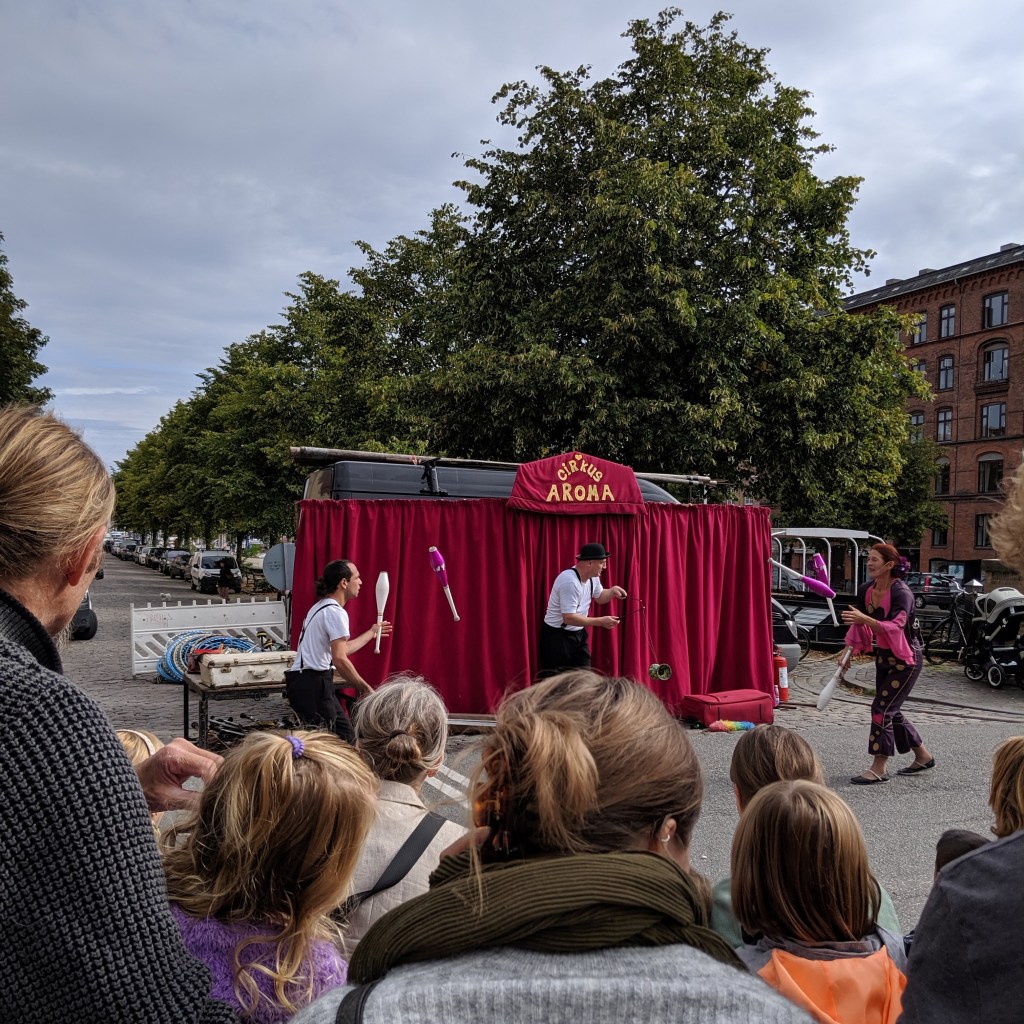
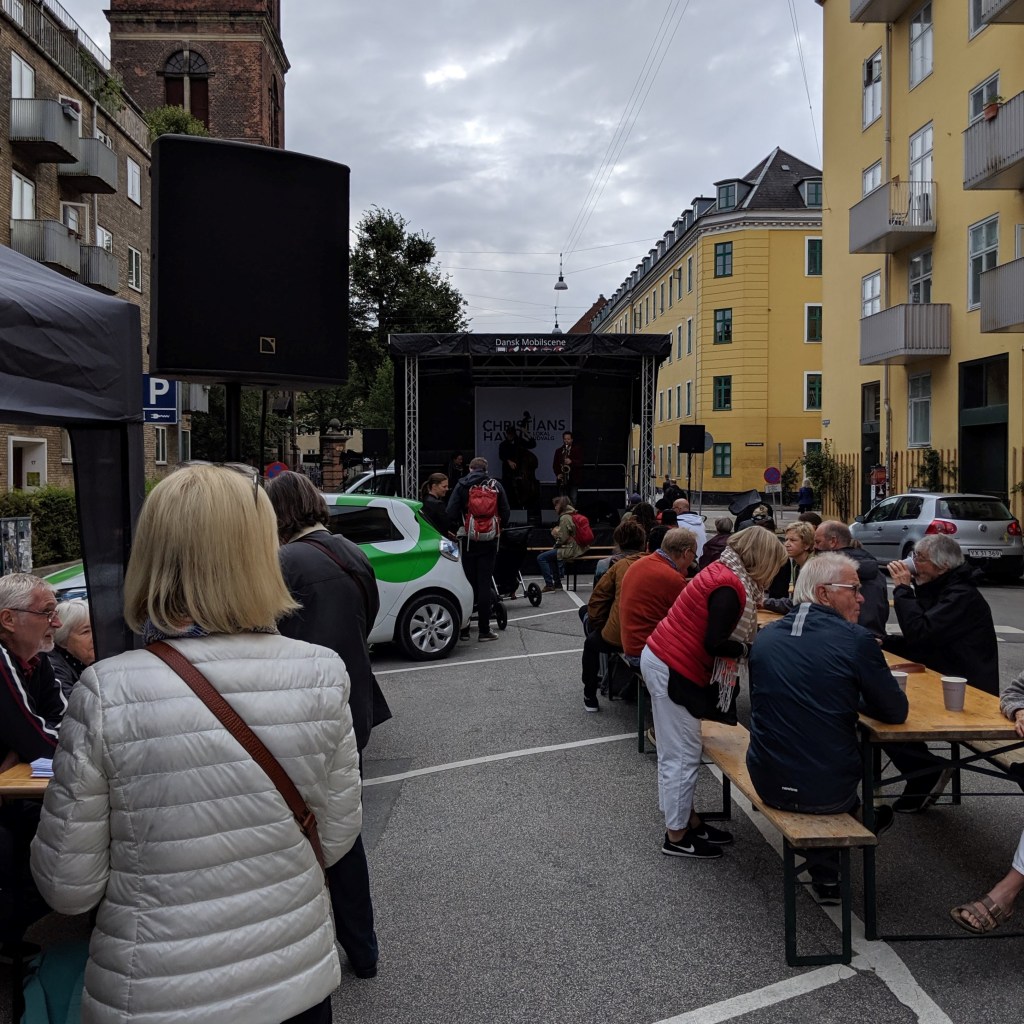
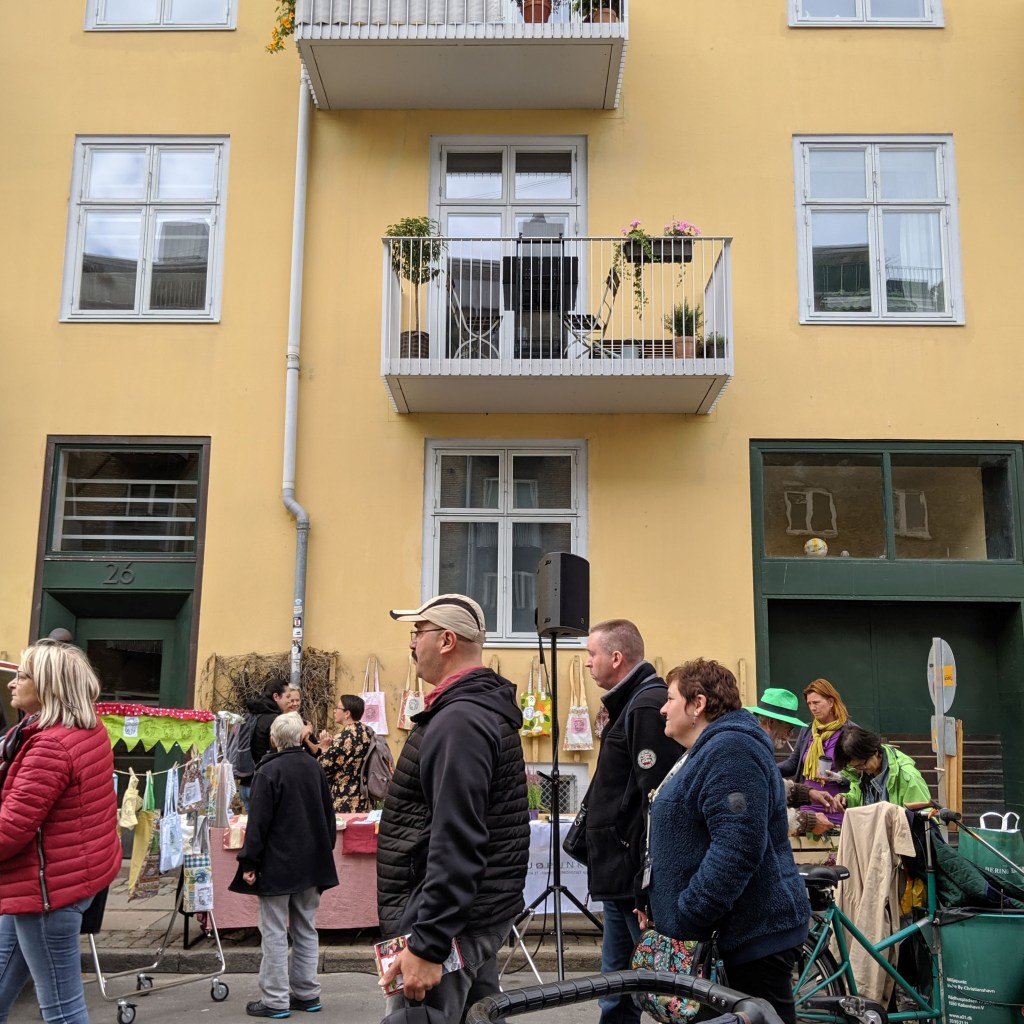

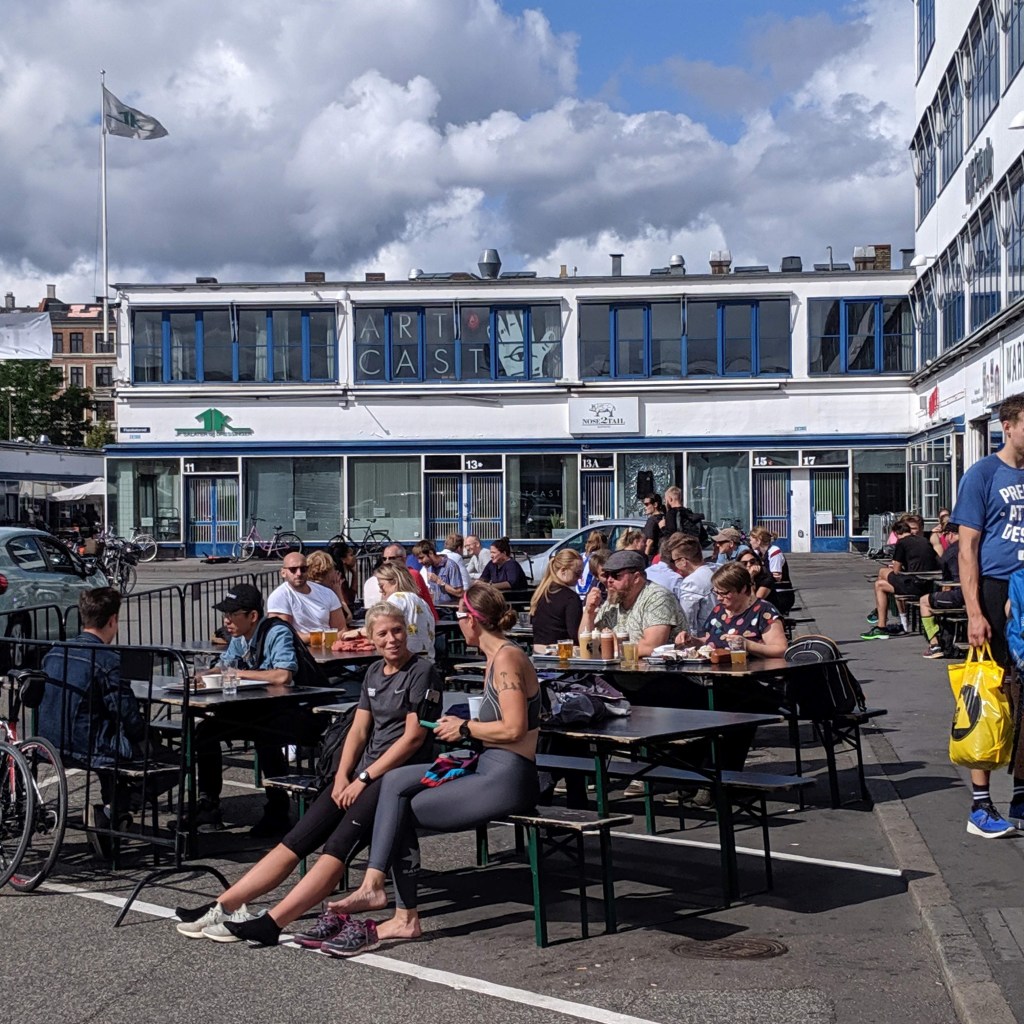
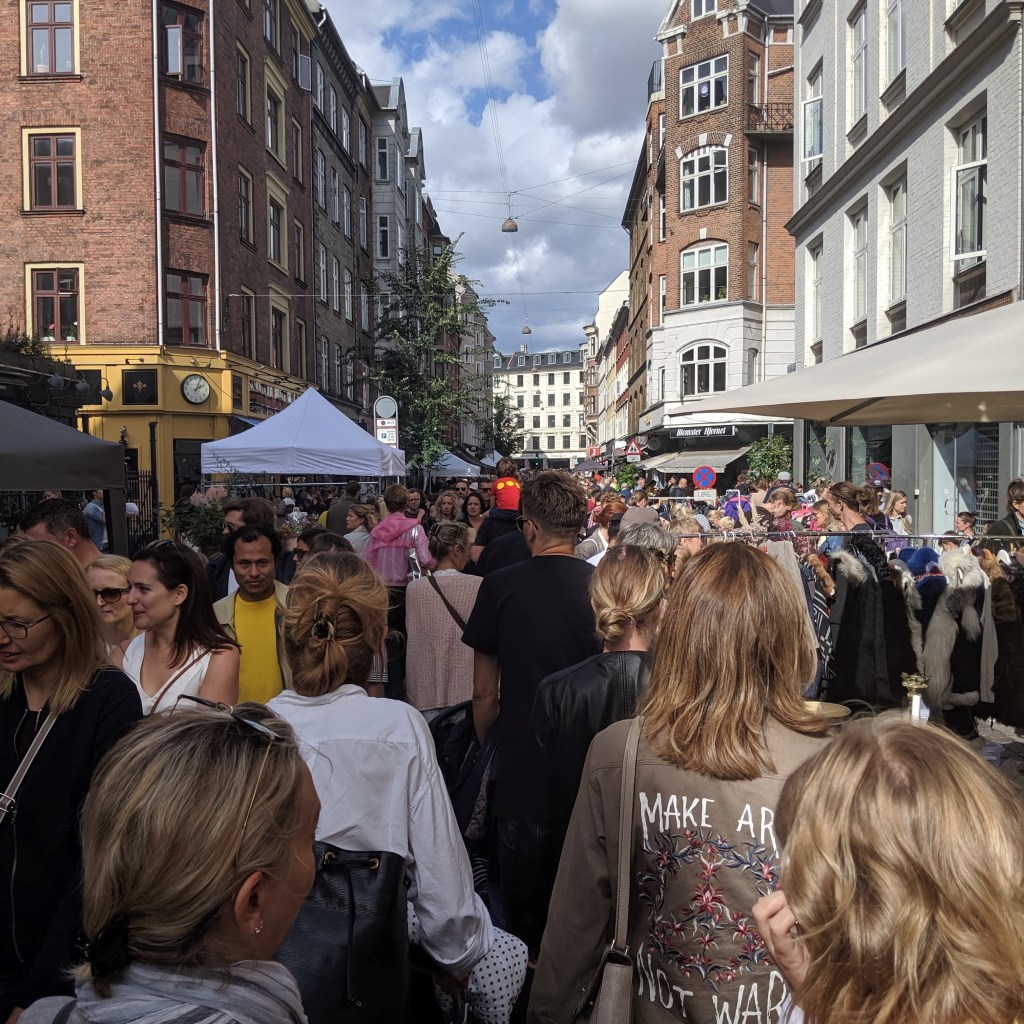

A common phenomenon I noticed was Copenhageners reclaiming space from cars. This ranged from the temporary to the permanent. From streets closed to cars on a Saturday for a community breakfast or a market, to one of Europe’s longest pedestrian streets and the newly transformed meatpacking district’s car park flooded with dining tables and pop-up events.
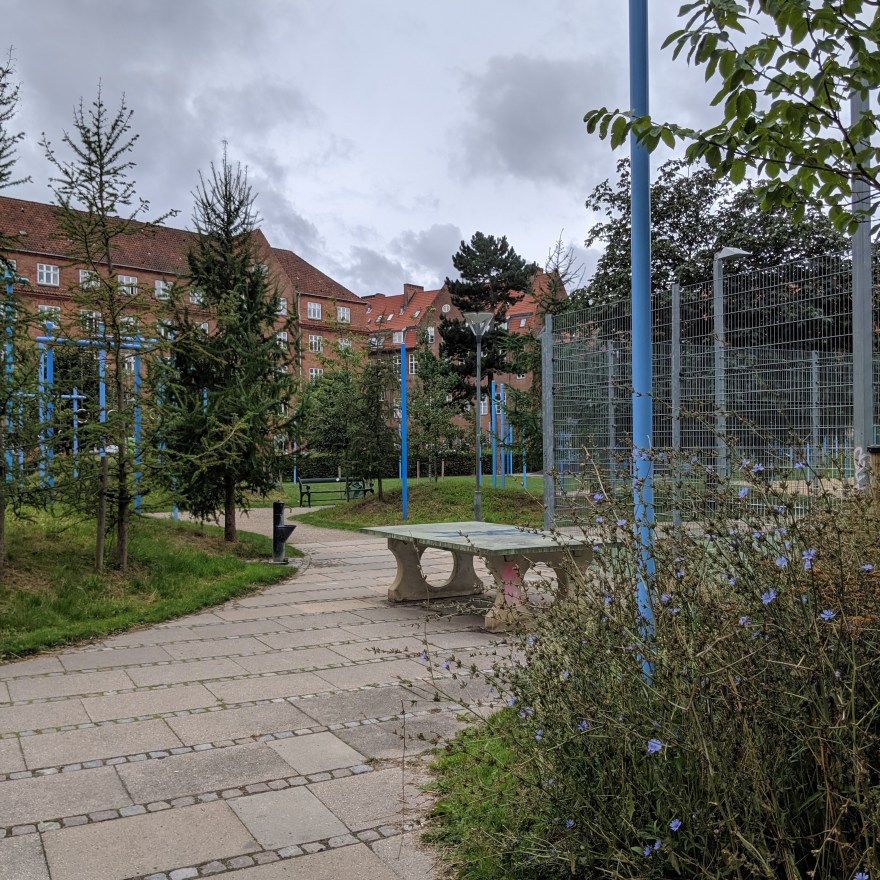
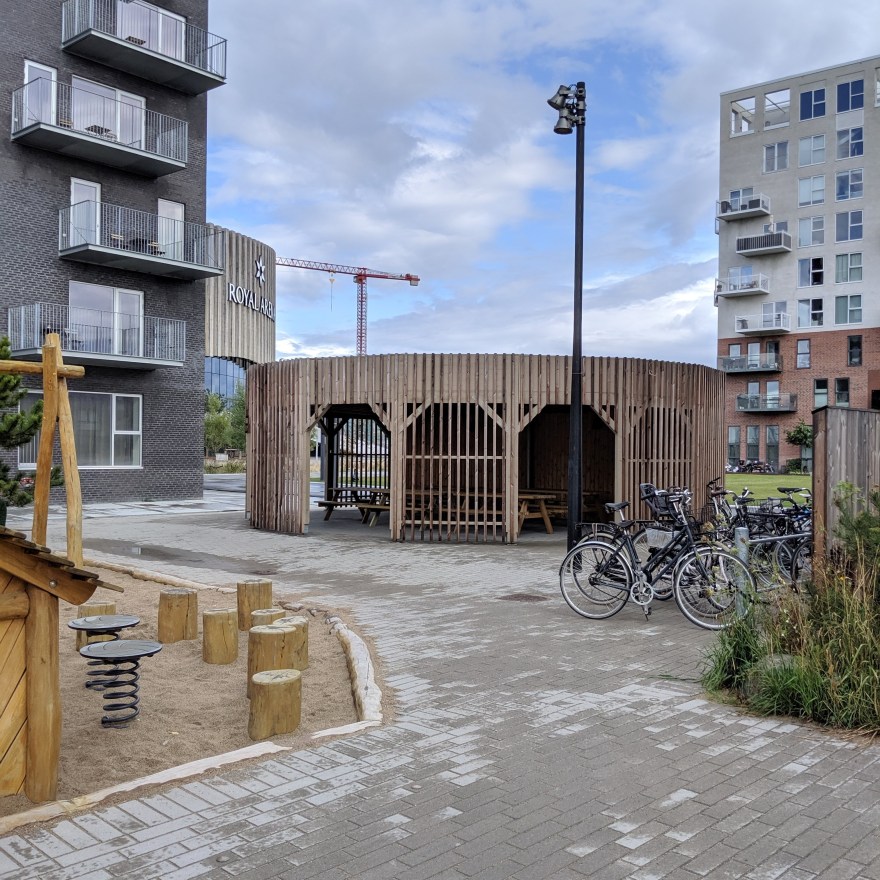
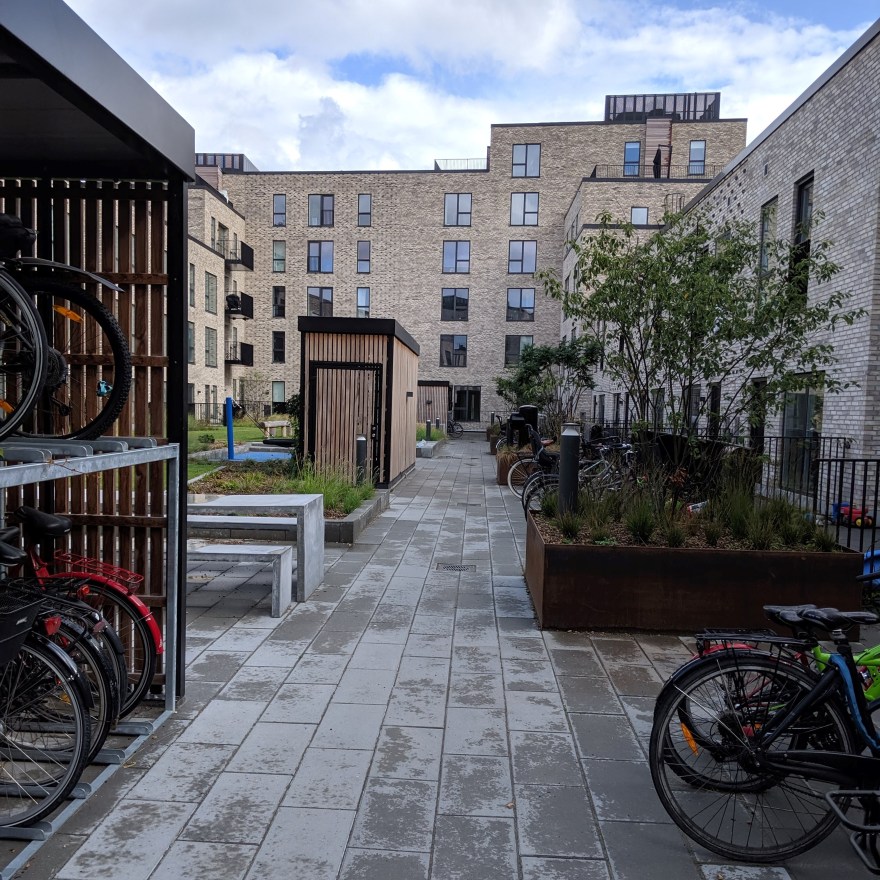
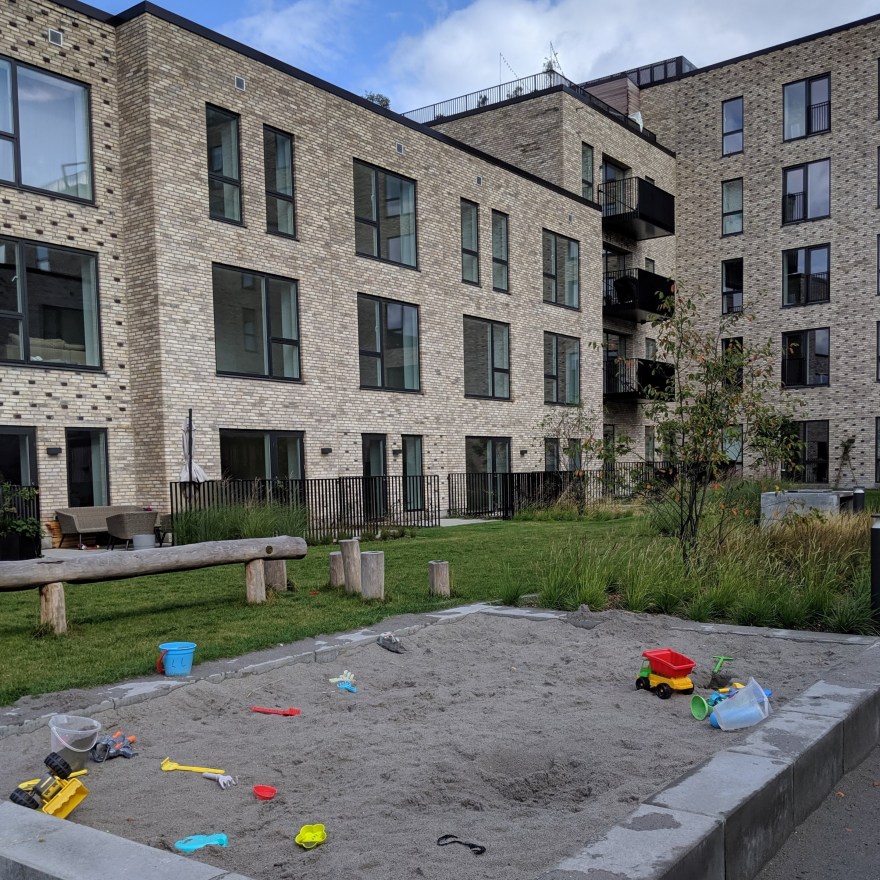

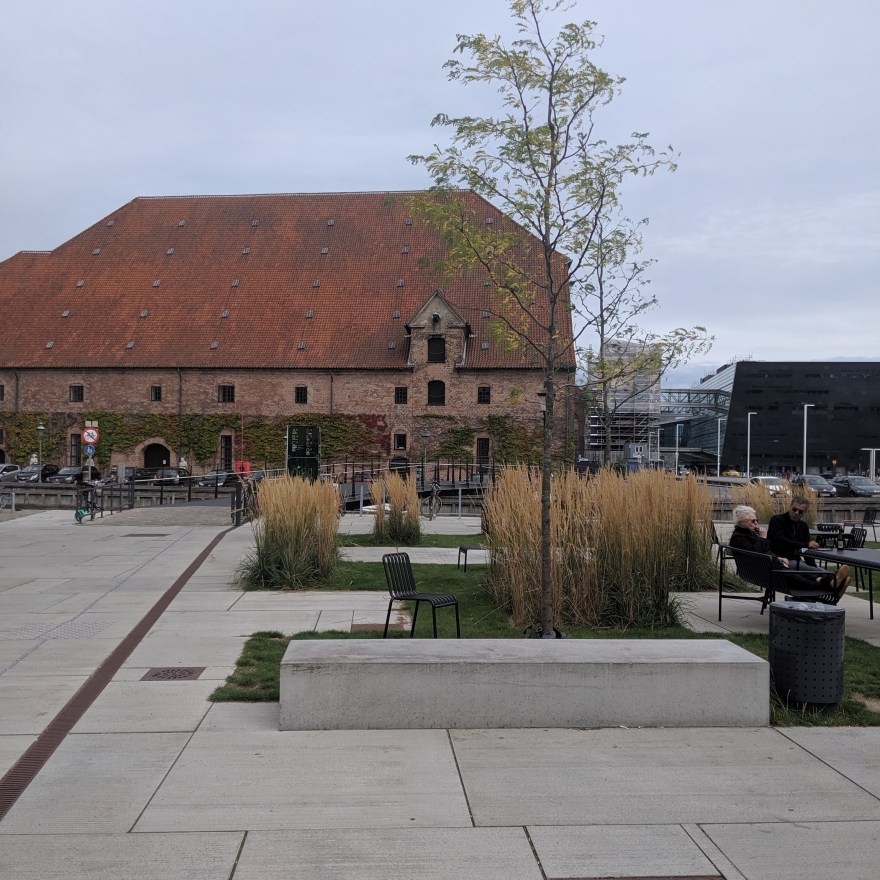
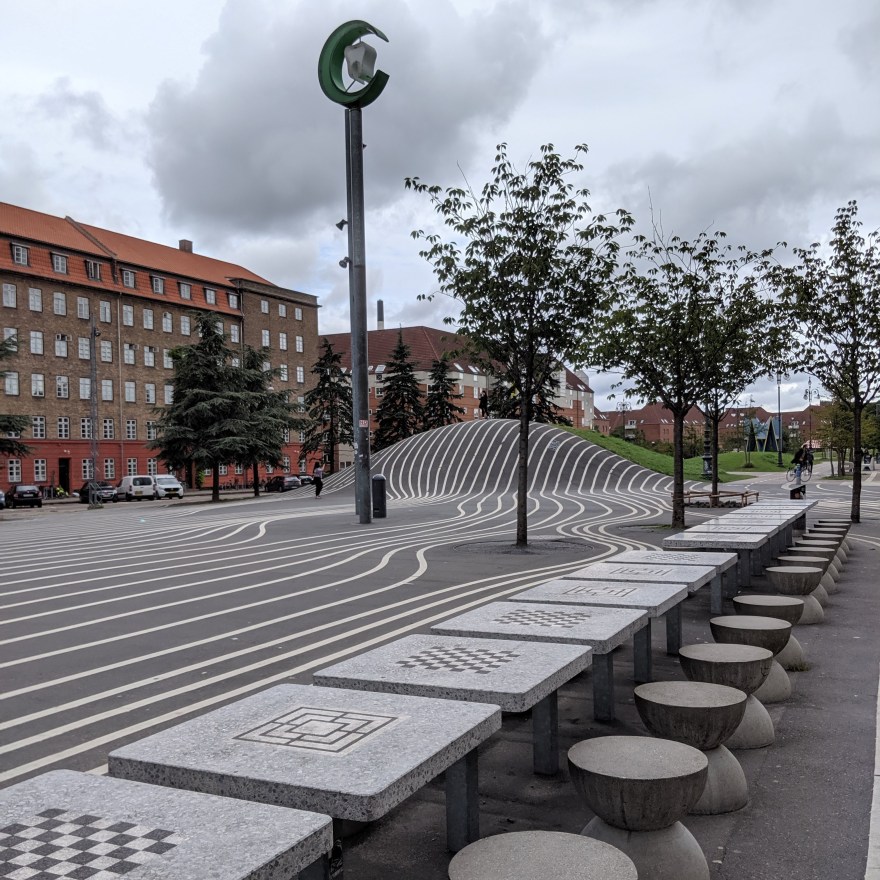
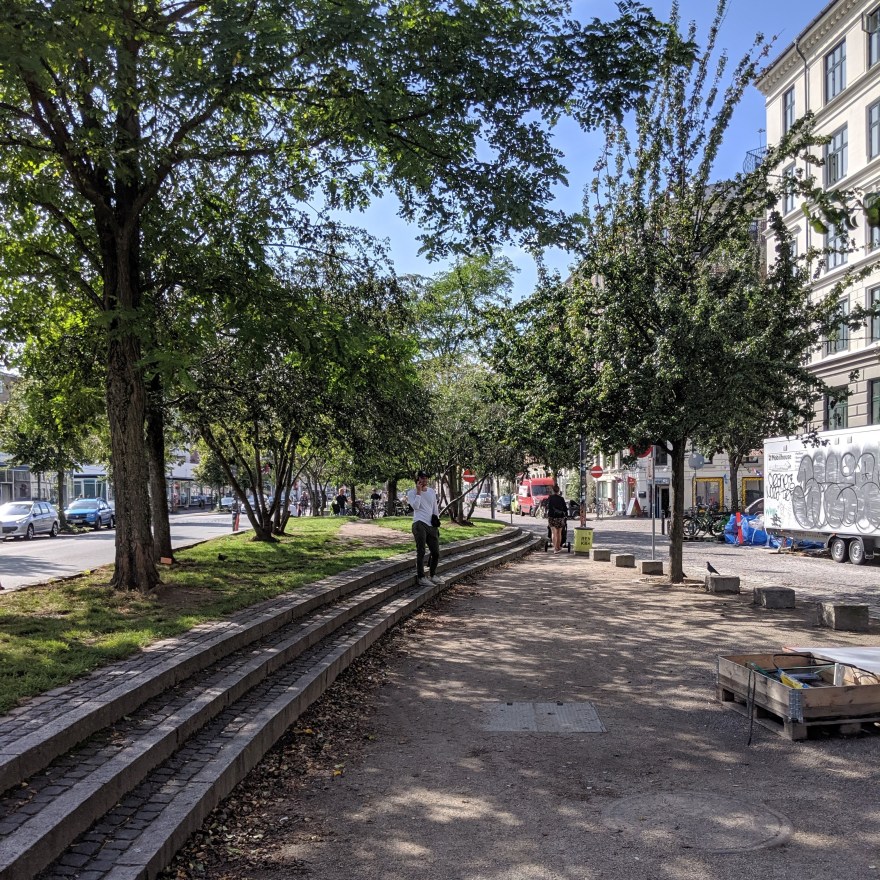
Space and infrastructure for communities to converge and social interactions to occur are weaved into the city’s fabric. From parks, plazas, cycling and walking routes to play-space which is open to all or sheltered in communal residential courtyards.
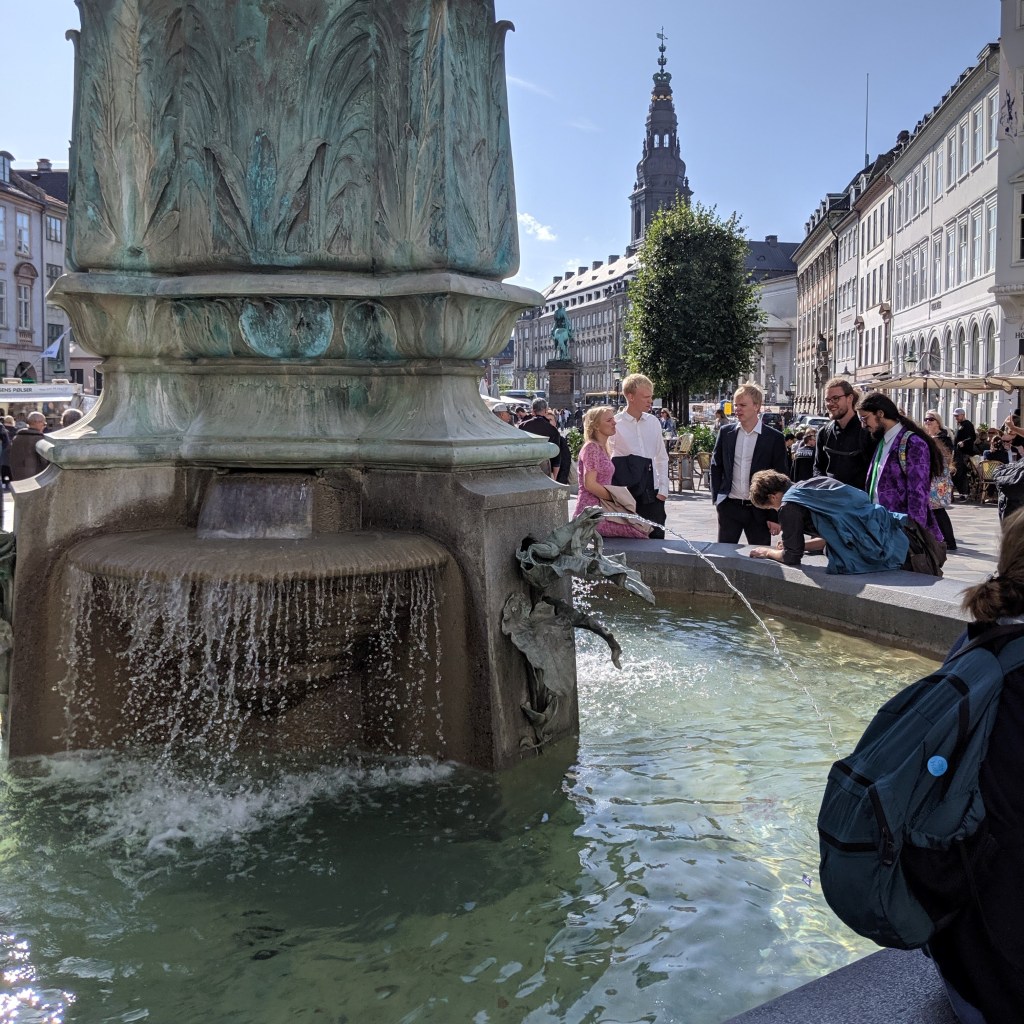
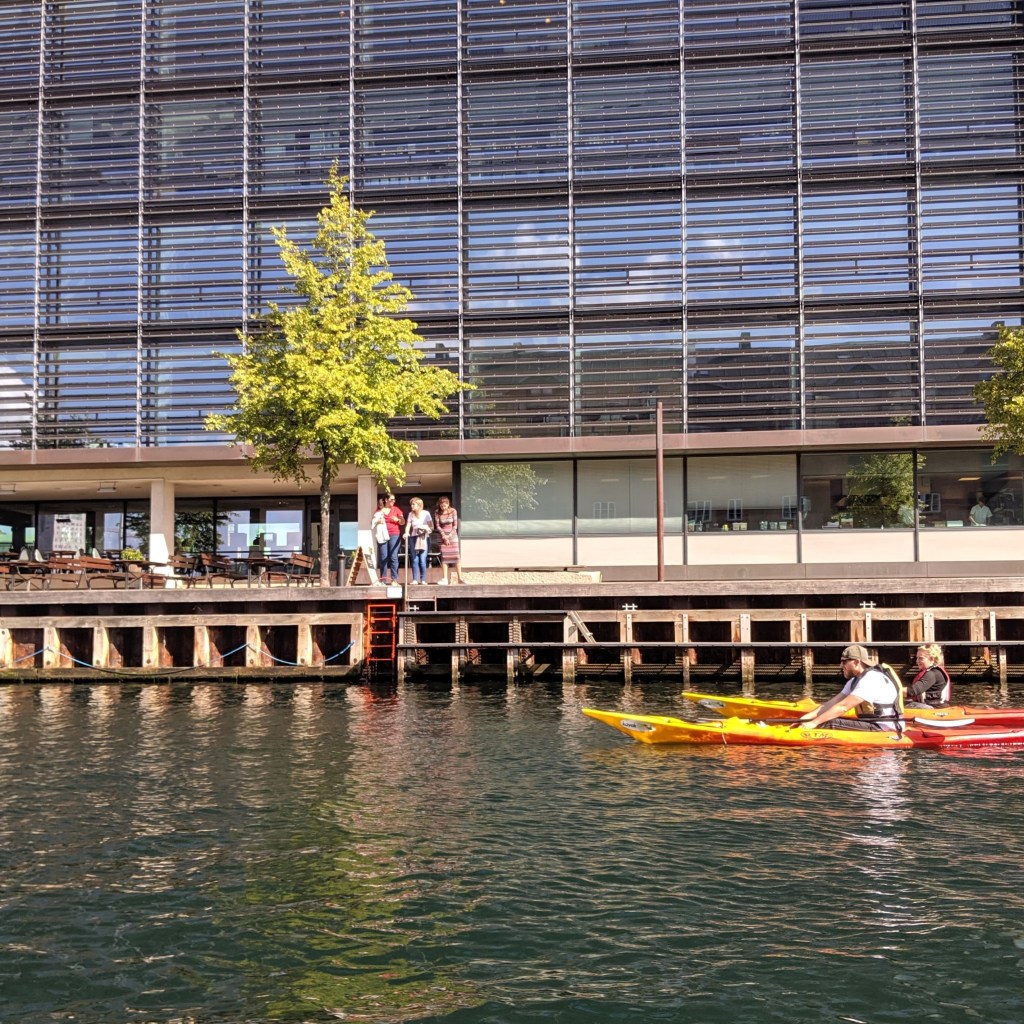
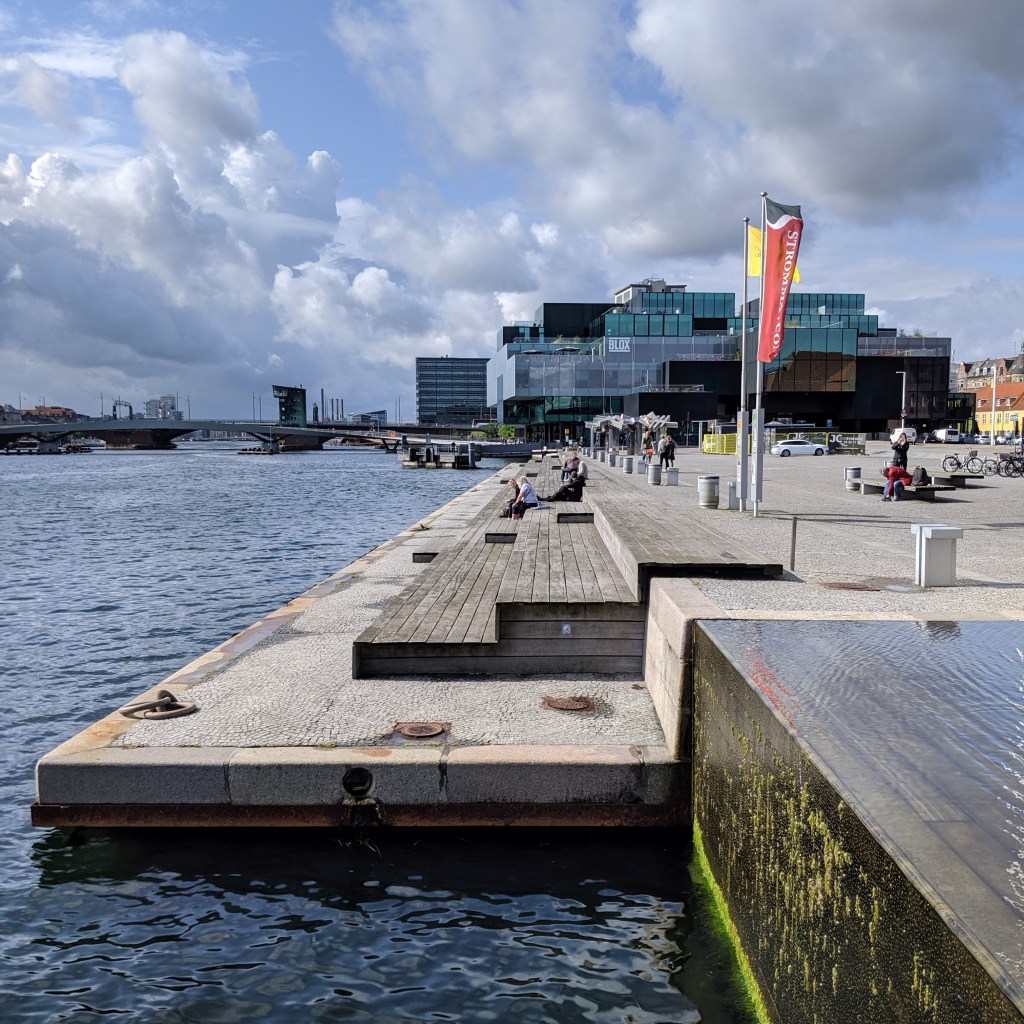

Water acts as a catalyst and facilitator for people to come together in a range of ways. Whether resting at fountains or along the canals, to recreation and dining opportunities, water often forms the backdrop to public life.
 charlottestuart.design.blog